How Sugar Affects Your Child’s Teeth
Every parent wants to see their child flash a bright, healthy smile. But keeping those little teeth strong involves navigating a world full of sugary temptations. From birthday parties to after-school snacks, sugar seems to be everywhere. Understanding exactly how it impacts your child’s dental health is the first step toward protecting their smile for years to come.
The Science of Sugar and Cavities
To understand why sugar is so damaging to teeth, we need to look at what happens inside your child’s mouth after they eat a sweet treat. Our mouths are home to billions of bacteria, some helpful and some harmful. Certain harmful bacteria thrive on the sugars found in foods and drinks.
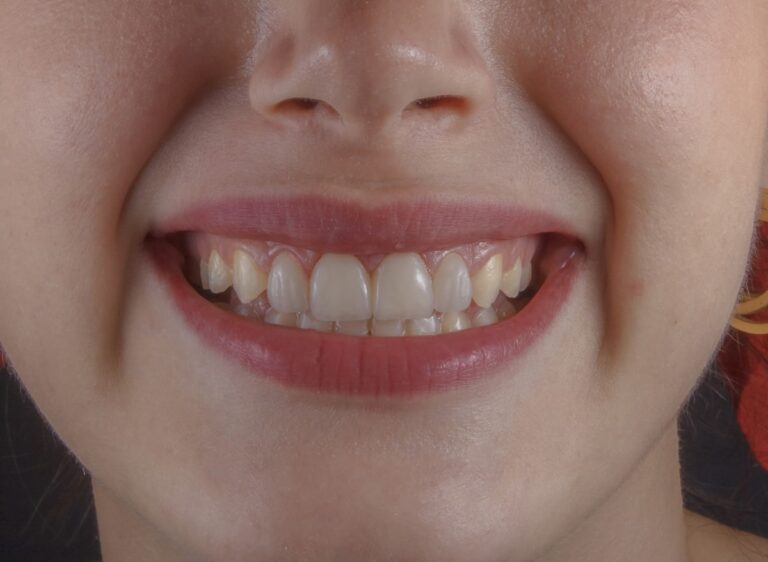
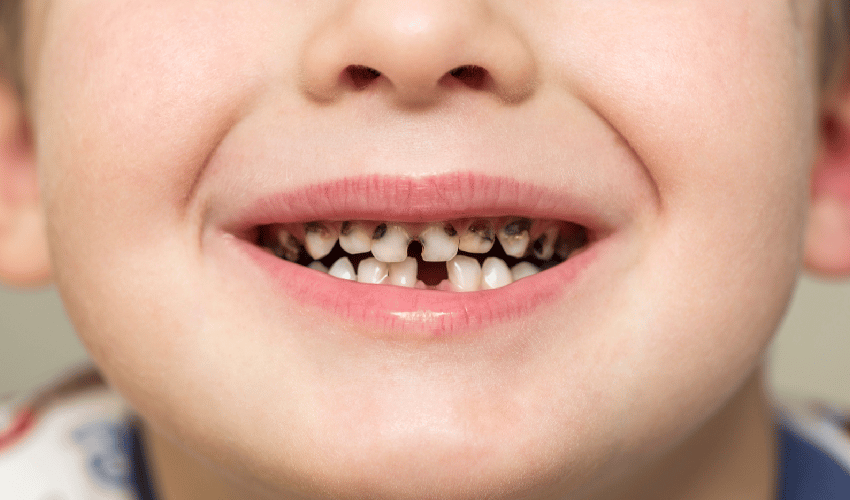
When your child consumes sugar, these bacteria go into a feeding frenzy. They metabolize the sugar and produce acids as a byproduct. These acids attack the tooth enamel, which is the hard, protective outer layer of the teeth. This process is called demineralization.
Over time, repeated acid attacks wear away the enamel, creating weak spots. If left unchecked, these weak spots can develop into a small hole, or a cavity. At first, a small cavity might not cause any pain, but as it grows deeper and reaches the inner layers of the tooth, it can lead to sensitivity, pain, and infection.
Saliva is the body’s natural defense against this process. It helps to neutralize the acids and provides minerals like calcium and phosphate to rebuild the enamel—a process called remineralization. However, if sugar is consumed too frequently, the saliva can’t keep up, and the balance tips in favor of tooth decay.
How Much Sugar Are Children Consuming?
Many parents are surprised to learn just how much sugar their children are consuming daily. It’s not just in obvious sources like candy, soda, and desserts. Sugar is often hidden in foods that are marketed as healthy.
Common sources of hidden sugar include:
- Breakfast Cereals: Many popular children’s cereals are loaded with added sugars.
- Yogurt: Flavored yogurts, especially those targeted at kids, can contain as much sugar as a candy bar.
- Fruit Juices and Drinks: Even 100% fruit juice is high in natural sugars and lacks the beneficial fiber of whole fruit.
- Sauces and Condiments: Ketchup, barbecue sauce, and pasta sauce often have significant amounts of added sugar.
- Packaged Snacks: Cereal bars, fruit snacks, and crackers can be surprisingly high in sugar.
The American Heart Association recommends that children aged 2-18 should consume less than 25 grams (or 6 teaspoons) of added sugar per day. For children under 2, no added sugars are recommended. Unfortunately, studies show that the average American child consumes much more than this, putting their teeth and overall health at risk.
Health Problems Beyond Cavities
The negative effects of excessive sugar consumption go beyond dental health. A diet high in sugar can contribute to several other health issues in children, creating problems that can last into adulthood.
One of the most significant concerns is the risk of obesity. Sugary foods and drinks are often high in calories but low in nutrients, leading to weight gain. Childhood obesity can increase the risk of developing serious conditions like type 2 diabetes, high blood pressure, and heart disease later in life.
Furthermore, a high-sugar diet can impact a child’s energy levels and mood. The rapid spike and subsequent crash in blood sugar levels after consuming sweets can lead to irritability, fatigue, and difficulty concentrating. Over time, this can affect their performance in school and their overall well-being.
Practical Tips for Reducing Sugar Intake
Reducing the amount of sugar in your child’s diet doesn’t have to be a battle. With a few simple swaps and strategies, you can make a significant difference.
1. Read Nutrition Labels
Make it a habit to check the nutrition labels on packaged foods. Look for “Added Sugars” to understand how much sugar is in a product beyond what occurs naturally. Ingredients are listed by weight, so if sugar is one of the first few ingredients, it’s a major component.
2. Offer Healthy Snack Alternatives
Keep a supply of healthy, low-sugar snacks on hand. Fresh fruits, vegetables with hummus, cheese sticks, and plain yogurt are excellent choices. Instead of fruit snacks, offer real fruit. Instead of a sugary granola bar, try a handful of nuts (for older children) or whole-grain crackers.
3. Rethink Your Drink
Water and milk are the best beverages for children. Limit or eliminate sugary drinks like soda, sports drinks, and fruit juice. If your child is used to juice, try diluting it with water and gradually reducing the amount of juice over time.
4. Cook More Meals at Home
When you cook at home, you have complete control over the ingredients. This allows you to limit the amount of sugar in your family’s meals. Get your children involved in the kitchen—they are often more excited to eat healthy foods they helped prepare.
5. Don’t Ban Sweets Entirely
Completely forbidding sweets can sometimes backfire and make them more appealing. Instead, treat them as occasional treats rather than everyday staples. Designate certain days for dessert or limit sweets to special occasions.
The Importance of Professional Dental Care
Even with the best at-home care, regular professional dental check-ups are essential for maintaining your child’s oral health. Dentists can spot early signs of tooth decay that you might miss and provide preventive treatments to protect your child’s teeth.
During a routine visit, a pediatric dentist will:
- Perform a professional cleaning to remove plaque and tartar that can’t be removed by brushing alone.
- Conduct a thorough examination to check for cavities and other oral health issues.
- Apply fluoride treatments to strengthen tooth enamel and make it more resistant to acid attacks.
- Place dental sealants on the chewing surfaces of molars to create a protective barrier against food particles and bacteria.
Finding a dental practice that specializes in children can make a huge difference. For example, the best pediatric dentists in Layton are trained to handle the unique dental needs of children and create a positive, comfortable environment that helps reduce dental anxiety.
Conclusion
Protecting your child’s teeth from the harmful effects of sugar is a team effort. It involves making smart food choices at home, teaching good oral hygiene habits, and partnering with a trusted dental professional. By taking a proactive approach, you can help your child enjoy a healthy, beautiful smile that lasts a lifetime.