Hair Extensions San Francisco: How Bay Area Influencers Are Redefining Beauty Standards
San Francisco’s beauty landscape has undergone a quiet revolution. Walk through the Mission, Hayes Valley, or the Marina, and you’ll notice something: hair that defies the city’s notorious fog and wind, cascading in glossy waves or adding unexpected pops of color. The secret? Hair extensions have moved from Hollywood red carpets to everyday Bay Area life, driven largely by a new generation of social media creators who’ve made transformation accessible.
What started as a niche salon service has evolved into a cultural phenomenon. Local influencers document their extension journeys to hundreds of thousands of followers, demystifying the process and showcasing results that range from subtle volume boosts to dramatic length transformations. This transparency has fundamentally changed how Bay Area residents approach hair styling—extensions are no longer reserved for special occasions but have become part of regular beauty routines for professionals, creatives, and students alike.
From Ancient Egypt to Instagram: The Extension Evolution
The desire to enhance hair isn’t new. Archaeological evidence shows that ancient Egyptians crafted elaborate wigs and extensions from human hair, wool, and plant fibers as symbols of social status. Romans followed suit, with wealthy women importing blonde hair from Germanic territories to create fashionable hairpieces.
The modern extension industry bears little resemblance to these early practices. Today’s methods leverage polymer chemistry, precision engineering, and an understanding of hair structure that would astound earlier practitioners. According to Grand View Research, the global hair extensions market reached $3.1 billion in 2023, driven by technological improvements that have made extensions more durable, natural-looking, and accessible across price points.
Silicon Valley’s influence extends even here—some Bay Area salons now use digital color-matching systems and 3D consultation software to help clients visualize results before committing to extensions. The gap between synthetic and human hair quality has narrowed considerably, with high-grade synthetic options now mimicking the movement and texture of natural hair at a fraction of the cost.
The Extension Menu: What’s Trending in San Francisco
Bay Area salons offer a diverse range of extension methods, each with distinct advantages. Local influencers have become inadvertent product testers, sharing their experiences with different types and helping followers make informed decisions. Here’s what’s currently popular:
- Tape-In Extensions: The workhorse of the extension world. Thin wefts are sandwiched between sections of natural hair using medical-grade adhesive. They lie flat against the scalp, making them virtually undetectable. Most clients can maintain them for 6-8 weeks before needing repositioning. The application takes about an hour, making them ideal for busy professionals.
- Clip-In Extensions: The commitment-phobic option. These temporary pieces attach with small clips and can be applied in minutes at home. They’re particularly popular among tech workers who want polished hair for video calls but prefer their natural texture for weekend hikes in Marin. Quality sets can last over a year with proper care.
- Micro-Link Extensions: Also called micro-bead or I-tip extensions, these involve threading small sections of hair through tiny metal cylinders that are then clamped flat. No heat, no glue—just mechanical attachment. They’re favored by those with fine hair who want to avoid adhesives, and the beads can be reused when the extensions are moved up.
- Sew-In Extensions: The traditional method that remains popular, particularly among clients with textured hair. Natural hair is braided in cornrows, and wefts are sewn onto the braids. When installed correctly by experienced stylists, sew-ins can last 6-8 weeks and provide excellent protection for natural hair underneath.
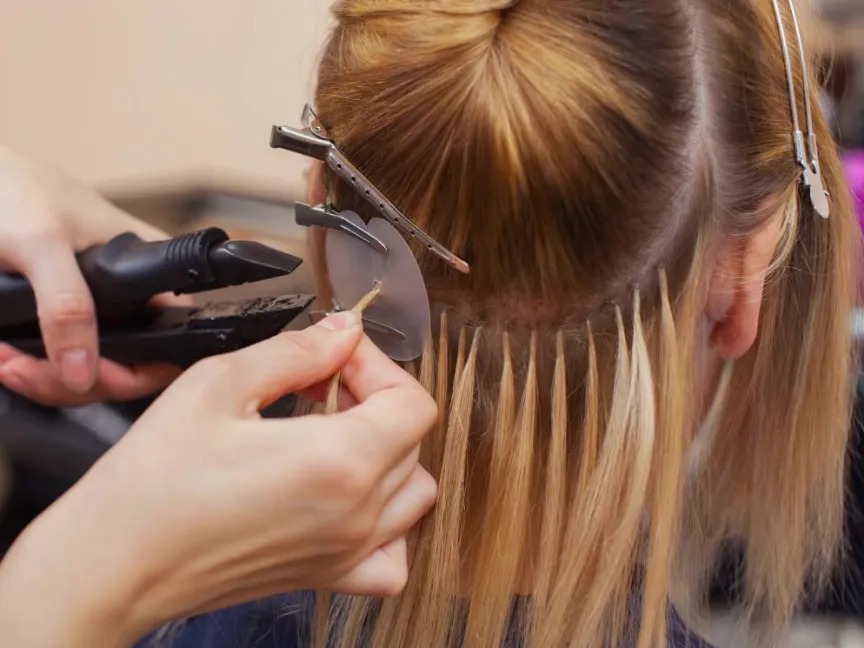
- Fusion Extensions: The premium option. Individual strands are bonded to natural hair using keratin-based adhesive applied with a heat tool. The bonds are nearly invisible and can last 3-4 months. The application is time-intensive—often 3-4 hours—but results in the most natural movement and versatility for styling.
Finding Your Extension Expert
San Francisco’s salon landscape ranges from luxury establishments in Union Square to boutique studios in the Outer Sunset. Choosing the right stylist requires research beyond Instagram aesthetics:
- Verify Credentials: Look for stylists with specific extension certifications from recognized training programs. Many top stylists have trained with brands like Great Lengths, Hairdreams, or Bellami. This specialized education matters—extension application differs significantly from traditional hairdressing.
- Examine Portfolio Work: Request before-and-after photos of clients with similar hair type and desired results. Pay attention to how natural the extensions look and whether the color matching is seamless. A skilled stylist should have extensive documentation of their work.
- Consultation Quality: Professional stylists conduct thorough consultations before booking. They should assess your natural hair’s condition, discuss lifestyle factors, and recommend appropriate methods. Red flag: anyone who pushes a single extension type without considering your specific needs.
- Product Transparency: Ask about the hair source and quality grade. Remy human hair (cuticles intact and aligned) represents the gold standard, but quality varies widely. Reputable salons disclose their suppliers and can explain the differences between hair grades.
- Maintenance Support: Extension care requires specific knowledge. Your stylist should provide detailed maintenance instructions and be available for questions. Many top salons offer maintenance packages that include regular check-ups and adjustments.
San Francisco salons with stylists holding recognized extension certifications include Bond Hair Bar and Edo Salon. Asking which specific certification programs a stylist completed—Great Lengths, Hairdreams, Bellami, or others—confirms training depth beyond general ‘extension experience’ claims.
Cultural Resonance in the Bay Area
In San Francisco, hair extensions carry meaning beyond aesthetics. They intersect with identity, culture, and self-expression in ways that reflect the city’s values:
- Personal Narrative: Extensions allow individuals to craft their visual story. In a city that celebrates reinvention and self-determination, the ability to transform your appearance aligns with broader cultural values about autonomy and self-expression.
- Cultural Connection: For many, extensions provide a link to heritage and tradition. Protective styling with extensions has deep roots in African and African American communities, representing both practical hair care and cultural continuity. The Bay Area’s diverse population has created space for these traditions to thrive and evolve.
- Artistic Expression: San Francisco’s creative community treats hair as a medium. Extensions enable color experimentation, avant-garde styling, and temporary transformations that align with the city’s artistic sensibilities. From Haight-Ashbury to the Mission’s mural scene, personal aesthetics matter here.
- Professional Flexibility: In a region where tech workers might attend board meetings in the morning and music festivals in the evening, extensions offer styling versatility. The ability to shift between polished and creative presentations without permanent changes appeals to the Bay Area’s multifaceted lifestyle.
The extension industry continues evolving, with innovations in application methods, hair quality, and maintenance products emerging regularly. As techniques improve and prices become more accessible, extensions are likely to become even more integrated into mainstream beauty routines. For those considering extensions, the key lies in thorough research, realistic expectations, and finding a skilled stylist who understands both the technical and aesthetic dimensions of the work. The transformation can be remarkable—but only when approached with the same care and consideration you’d give any significant change to your appearance.