Choosing a Dental Prosthetic: A Long-Term Guide
Losing teeth can impact confidence, chewing, and oral health, but modern dentistry offers solutions like traditional dentures and advanced dental implants. These treatments are now more comfortable, durable, and natural-looking than ever before.
Types of Prosthetic Dental Treatments
When it comes to replacing missing teeth, there isn’t a one-size-fits-all answer. The best treatment depends on several factors, including the number of missing teeth, the health of your remaining teeth and gums, and your budget. Here are the three primary options available today.
Full or Partial Dentures
Dentures are removable replacements for missing teeth. They have been a reliable solution for centuries and remain a popular choice for many patients.
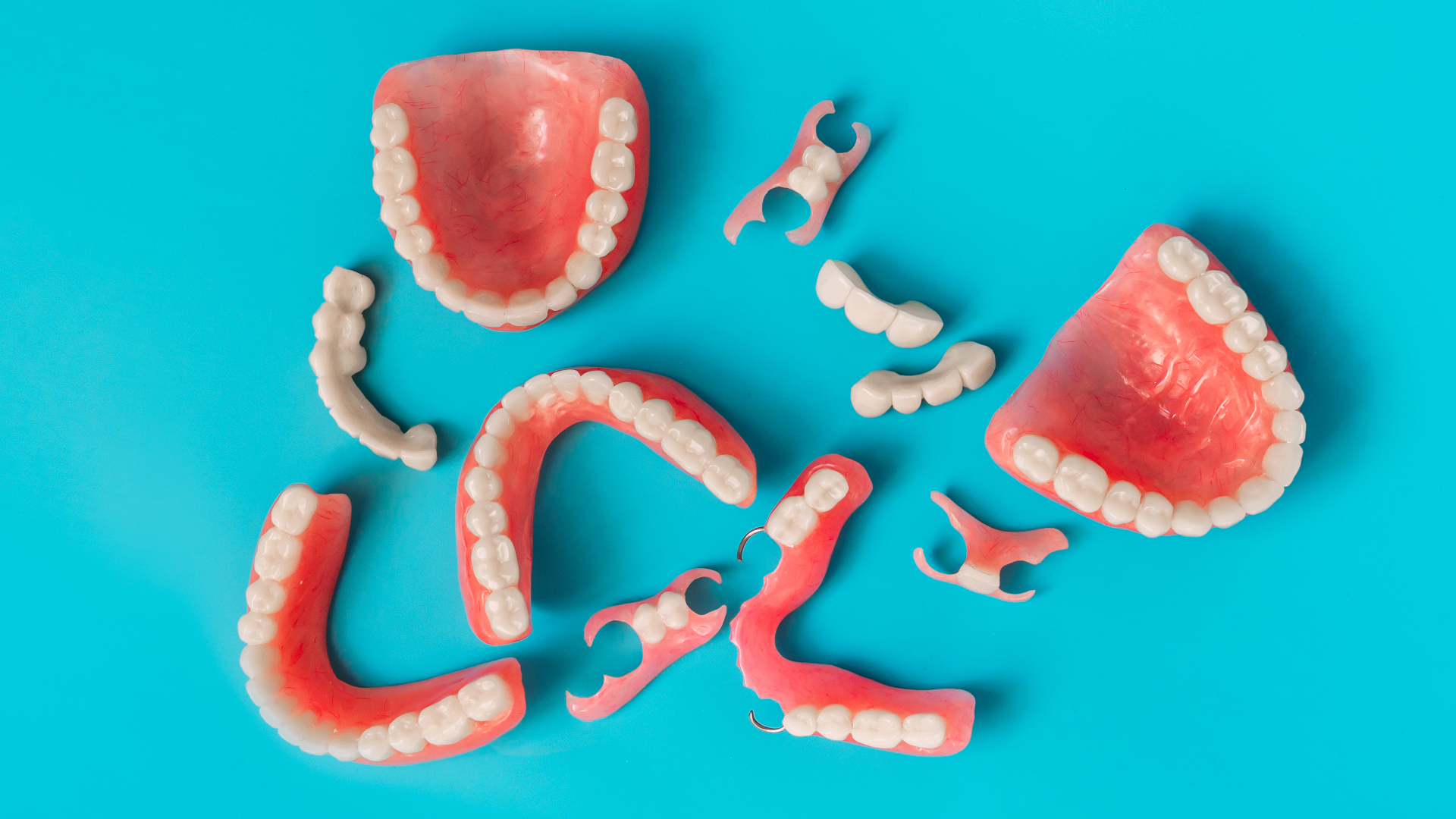
- Full Dentures: These are used when all of the natural teeth in the upper or lower jaw are missing. A flesh-colored acrylic base fits over the gums, with the upper denture covering the roof of the mouth and the lower one shaped like a horseshoe to accommodate the tongue.
- Partial Dentures: When one or more natural teeth remain, a partial denture can be used. It consists of replacement teeth attached to a pink or gum-colored plastic base, which is often connected by a metal framework that holds the denture in place in the mouth.
Dentures are generally the most affordable option for replacing a large number of teeth. However, they can sometimes feel bulky, may slip while eating or speaking, and require regular removal for cleaning.
Fixed Dental Bridges
A dental bridge literally “bridges” the gap created by one or more missing teeth. It is a fixed, non-removable appliance that relies on the surrounding teeth for support.
A bridge is made up of two or more crowns for the teeth on either side of the gap—these are called abutment teeth—and a false tooth or teeth in between. The false teeth, known as pontics, can be made from gold, alloys, porcelain, or a combination of these materials.
Bridges are a stable solution that restores chewing function and prevents remaining teeth from shifting out of position. A key requirement is that the abutment teeth must be healthy and strong enough to support the bridge. This often means that healthy tooth structure needs to be removed from the adjacent teeth to place the crowns.
Dental Implants
Dental implants are widely considered the gold standard for replacing missing teeth. An implant is a small, titanium post that is surgically placed into the jawbone where the tooth is missing. This post acts as an artificial tooth root.
Once the implant fuses with the jawbone—a process called osseointegration—an abutment is attached to the post to securely hold a new replacement tooth, or crown. Implants can be used to replace a single tooth, multiple teeth, or even support a full denture.
Because they integrate with the jawbone, implants provide a very stable and durable foundation for replacement teeth. They look, feel, and function just like natural teeth. Implants also help preserve facial structure and prevent the bone deterioration that occurs when teeth are missing.
Factors Influencing Long-Term Success
The longevity of any prosthetic treatment depends on a variety of factors. While modern materials and techniques have greatly improved success rates, patient-specific elements play a significant role. Choosing experienced implant dentists in Las Vegas, for example, can contribute positively to the outcome of an implant procedure.
Prosthetic Material
The materials used to create dentures, bridges, and implant crowns have a direct impact on their durability. Porcelain and zirconia are popular for their strength and natural appearance, making them excellent choices for crowns and bridges. High-quality acrylics used for dentures are designed to resist wear and staining. Discussing the pros and cons of different materials with your dentist will help ensure you get a restoration that lasts.
Proper Maintenance and Oral Hygiene
No matter which treatment you choose, diligent oral hygiene is non-negotiable. Plaque and bacteria can still accumulate on and around prosthetics, leading to gum disease, decay in adjacent teeth, and implant failure. Regular brushing, flossing (or using specialized cleaning tools), and professional cleanings are essential to keep your mouth healthy and extend the life of your restoration.
Overall Patient Health
Your general health can influence the success of prosthetic treatments, particularly dental implants. Conditions like uncontrolled diabetes or autoimmune diseases can impair healing and increase the risk of infection. Similarly, smoking is known to hinder the osseointegration process and is a major risk factor for implant failure. Being upfront with your dentist about your medical history is crucial for planning a successful treatment.
Caring for Your Prosthetic Treatment
Proper maintenance is the key to getting the most out of your investment. Here are some tips for caring for your specific type of dental prosthetic.
Denture Care
- Handle with care: Dentures are delicate and can break if dropped. Always handle them over a folded towel or a basin of water.
- Clean daily: Brush your dentures daily with a soft-bristled brush and a non-abrasive denture cleanser to remove food and plaque.
- Soak overnight: Most dentures need to stay moist to keep their shape. Soak them in a denture solution or plain water overnight.
- Clean your mouth: Even with full dentures, you should brush your gums, tongue, and palate every morning with a soft brush before inserting your dentures.
Bridge Care
- Brush and floss diligently: Pay special attention to the area where the bridge meets the gums.
- Use specialized tools: A floss threader or interdental brush may be needed to clean underneath the pontic (the false tooth).
- Attend regular check-ups: Professional cleanings and exams will help ensure the bridge and the supporting teeth remain healthy.
Implant Care
- Treat them like natural teeth: Brush twice a day and floss daily.
- Use the right tools: Your dentist might recommend a soft-bristled toothbrush, low-abrasive toothpaste, and nylon-coated interdental brushes to clean around the implant without scratching it.
- Schedule regular dental visits: Professional check-ups are vital for monitoring the health of the implant, crown, and surrounding gum tissue.
Conclusion
Choosing the right prosthetic treatment is a big decision for your oral health and quality of life. Dentures are affordable and non-invasive, while bridges offer a fixed option for missing teeth. Dental implants are the most durable and natural-feeling choice.