Why Eucalyptus Sheets Have Become a Bedroom Staple for Influencers
Scroll through Instagram or TikTok, and you’ll notice a pattern in the carefully curated bedrooms of lifestyle influencers: crisp, inviting sheets that seem to promise both luxury and environmental responsibility. Increasingly, those sheets are made from eucalyptus fiber—a material that’s quietly reshaping expectations around sustainable bedding.
What started as a niche alternative to cotton has evolved into a legitimate category in home textiles, driven by innovations in fiber processing and growing consumer demand for products that don’t force a choice between comfort and conscience. This shift reflects broader changes in how people think about the objects they live with daily, particularly those that touch their skin for eight hours every night.
Understanding Eucalyptus Fiber Technology
Eucalyptus sheets are woven from fibers extracted from eucalyptus tree pulp through a process that converts wood cellulose into textile-grade material. The most common production methods yield Tencel lyocell and modal fibers, both of which use a closed-loop manufacturing system that recycles more than 99% of the water and solvents involved.
This production approach stands in stark contrast to conventional cotton farming, which the World Wildlife Fund identifies as one of the most water-intensive agricultural practices globally. The eucalyptus trees used for textile production typically grow on land unsuitable for food crops, require minimal irrigation, and don’t need pesticides to thrive—factors that contribute to the material’s lower environmental footprint.
The resulting fabric has a molecular structure that creates microscopic channels along each fiber, giving eucalyptus textiles their characteristic moisture management and temperature regulation properties. These aren’t marketing claims—they’re measurable physical attributes of how the material is constructed at a microscopic level.
Performance Characteristics That Matter
Beyond sustainability credentials, eucalyptus bedding delivers tangible functional benefits that explain its appeal among people who test dozens of products for their audiences:
- Temperature neutrality: The fiber structure allows heat and moisture to move away from the body more efficiently than cotton, creating a cooling effect without the synthetic feel of performance fabrics
- Moisture transport: Eucalyptus fibers can absorb up to 50% more moisture than cotton while feeling dry to the touch.
- Allergen resistance: The smooth fiber surface and moisture control create an inhospitable environment for dust mites, making these sheets genuinely hypoallergenic rather than just marketed as such
- Tactile quality: The manufacturing process produces fibers with a naturally smooth surface that creates a silk-like hand feel without chemical treatments
These properties address specific pain points that frequent travelers and content creators face—people who need bedding that performs consistently across different climates and maintains its appearance through frequent washing.
How Eucalyptus Compares to Established Materials
Positioning eucalyptus sheets against traditional options reveals why they’ve gained traction beyond trend-driven purchases. Cotton remains the dominant bedding material globally, valued for its familiarity and wide availability at various price points. However, conventional cotton production requires significant water resources and often involves pesticide use, while organic cotton addresses chemical concerns but still demands substantial irrigation.
Bamboo lyocell emerged as an earlier sustainable alternative, and it shares some characteristics with eucalyptus—both use closed-loop processing and offer moisture-wicking properties. The key differences lie in fiber length and surface smoothness. Eucalyptus fibers tend to be longer and have a smoother surface topology, which translates to a softer hand feel and better durability over repeated wash cycles.
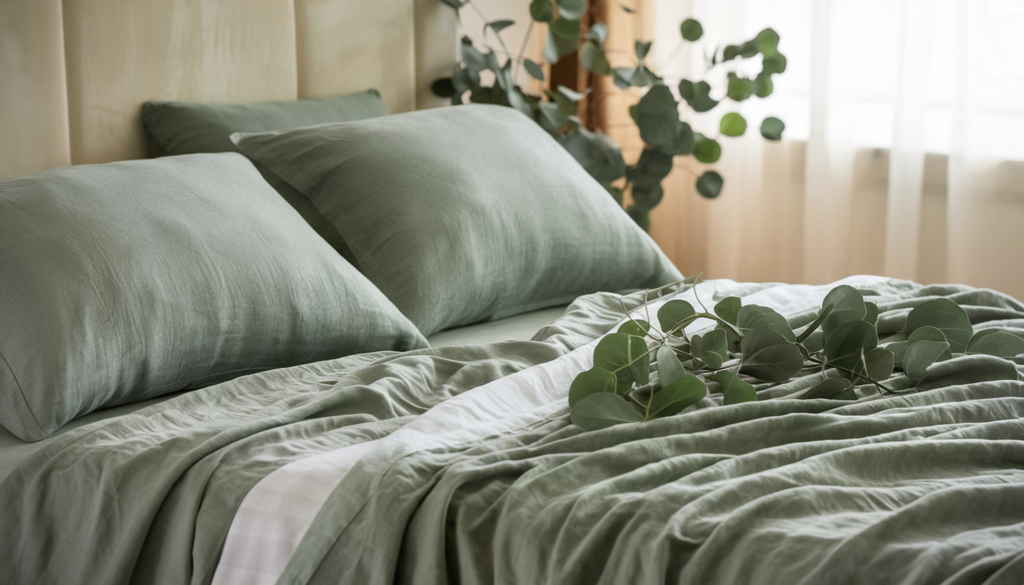
Linen, another natural fiber with environmental advantages, offers excellent breathability but has a distinctly textured feel that some find too coarse for sheets. Its tendency to wrinkle heavily also conflicts with the polished aesthetic many influencers cultivate in their content.
The Good Housekeeping Institute has tested eucalyptus sheets against these alternatives in controlled conditions, finding that eucalyptus consistently outperformed cotton and bamboo in moisture management while matching linen’s breathability with a significantly softer texture.
The Influencer Adoption Pattern
The path from specialty product to influencer favorite follows a recognizable pattern in lifestyle content. Early adopters in the sustainability space discovered eucalyptus sheets through eco-focused brands, then shared their experiences with audiences already primed to value environmental considerations.
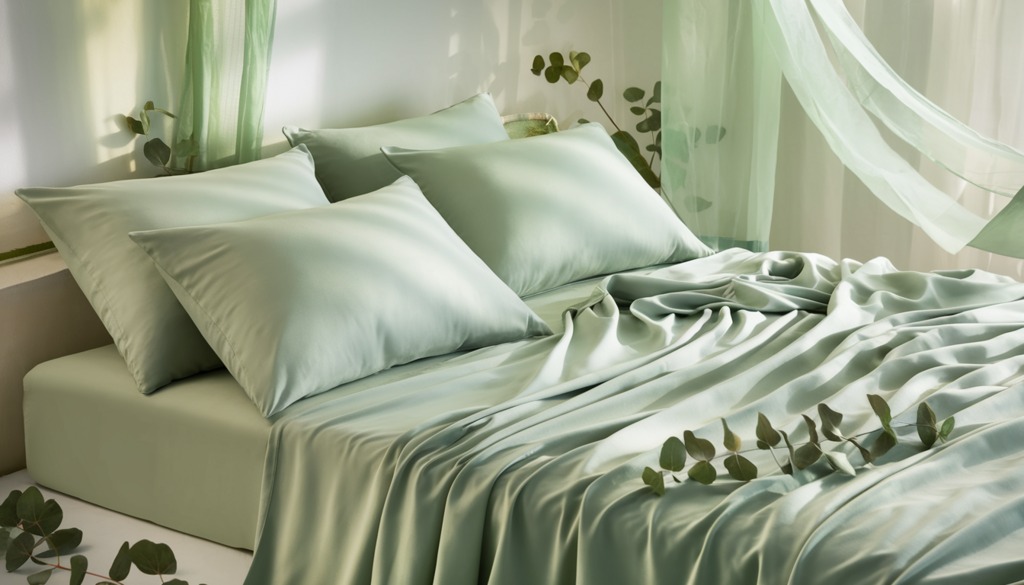
What amplified adoption beyond that initial niche was the material’s performance in the specific context of content creation. Eucalyptus sheets photograph exceptionally well—they drape smoothly, resist wrinkling between washes, and maintain a crisp appearance that reads clearly in both still images and video. For creators who film morning routines or bedroom tours, these practical considerations matter as much as sustainability messaging.
The material also aligns with the “elevated basics” aesthetic that dominates contemporary lifestyle content—products that appear simple and understated but signal quality through subtle details. Eucalyptus bedding fits this positioning perfectly, offering a story about material innovation and environmental responsibility without the visual complexity of patterned or heavily textured alternatives.
Social media analytics reveal this adoption pattern clearly. Hashtags related to eucalyptus bedding have grown from a few thousand posts three years ago to hundreds of thousands today, with engagement rates suggesting genuine interest rather than purely promotional content. The conversation extends beyond product features to broader discussions about sustainable living and conscious consumption—topics that resonate with audiences increasingly skeptical of greenwashing.
Selecting Quality Eucalyptus Bedding
Not all eucalyptus sheets deliver the same experience, and understanding quality markers helps separate genuine innovation from opportunistic marketing. Thread count, the traditional metric for sheet quality, matters less with eucalyptus than with cotton. The fiber’s inherent smoothness means a 300-thread-count eucalyptus sheet can feel softer than a 600-thread-count cotton one.
Weave structure has more impact on performance and feel. Sateen weaves create a subtle sheen and buttery texture, while percale weaves offer a crisper, matte finish. Neither is objectively better—the choice depends on personal preference and climate considerations.
Certifications provide the most reliable quality indicators:
- OEKO-TEX Standard 100: Confirms the fabric is free from harmful chemicals and safe for direct skin contact
- FSC certification: Verifies that eucalyptus pulp comes from responsibly managed forests
- USDA Biobased certification: Validates the percentage of plant-based content in the final product
Brands like SIJO have built their reputations on transparent sourcing and third-party certifications, offering sheet sets that meet these standards while maintaining competitive pricing. Other established options include Buffy and Ettitude, each with slightly different approaches to weave and finishing.
Proper care extends the lifespan of eucalyptus sheets significantly. Cold water washing on gentle cycles preserves fiber integrity, while avoiding high heat in the dryer prevents shrinkage. The material air-dries quickly due to its moisture-wicking properties, making line drying practical even in humid climates. Skip fabric softeners entirely—they coat the fibers and reduce their natural moisture management capabilities.
Why This Material Matters Beyond Trends
Eucalyptus sheets represent more than another option in an already crowded bedding market. They demonstrate that sustainable materials can compete on performance and luxury rather than asking consumers to compromise. The closed-loop production process proves that textile manufacturing doesn’t have to choose between efficiency and environmental responsibility.
For anyone evaluating bedding options, eucalyptus deserves consideration alongside traditional materials. The combination of moisture management, temperature regulation, and hypoallergenic properties addresses real needs, particularly for people with sensitive skin, those living in variable climates, or anyone who simply runs warm at night.
The environmental advantages add another dimension to the decision. Choosing eucalyptus over conventional cotton reduces water consumption, eliminates pesticide exposure, and supports manufacturing processes designed for circularity rather than waste. These aren’t abstract benefits—they represent measurable differences in resource use and environmental impact.
As the category matures and more brands enter the market, quality and transparency will increasingly differentiate leaders from followers. Look for companies that provide clear information about their sourcing, manufacturing processes, and third-party certifications. The best eucalyptus bedding combines material innovation with honest communication about what the product can and can’t deliver.