Why Australian Outback Hats Have Become a Global Style Icon
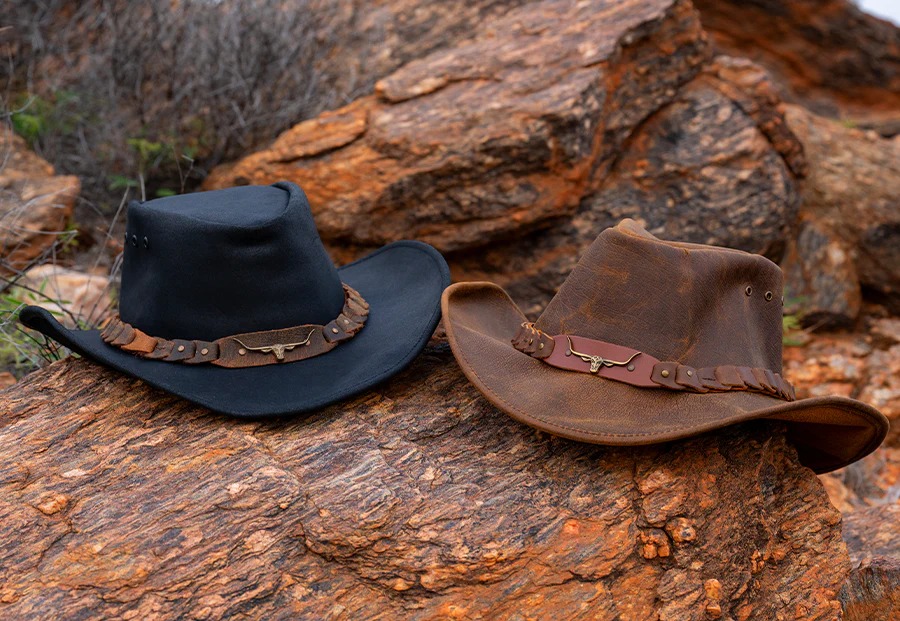
Australian outback hats occupy a distinctive space in contemporary fashion—bridging rugged functionality with refined aesthetic appeal. Originally designed for ranchers navigating the harsh Australian interior, these wide-brimmed icons have transcended their utilitarian origins to become coveted accessories among style-conscious consumers worldwide. Their enduring popularity stems from an increasingly rare combination: genuine protective capability married to timeless design.
This exploration examines the cultural evolution of the Australian outback hat, from its 19th-century pastoral roots to its current status as a fashion staple. We’ll analyze the design elements that define authentic examples, offer practical guidance on styling and maintenance, and consider the broader implications of choosing heritage craftsmanship in an era of disposable fashion.
From Necessity to Icon: The Evolution of Outback Headwear
The Australian outback hat emerged in the late 1800s as a direct response to environmental demands. Stockmen and shearers working under relentless sun required protection that wouldn’t compromise mobility or vision—a need that birthed the hat’s signature wide brim and ventilated crown. These early designs drew influence from both British military headwear and American frontier styles, creating something distinctly Australian in the process.
By the early 20th century, the outback hat had become inseparable from Australian identity itself. The iconic image of the bushman—weathered, self-reliant, at home in unforgiving terrain—was incomplete without this particular silhouette. What began as purely functional equipment gradually acquired symbolic weight, representing values of resilience and independence that resonated far beyond the continent’s borders.
Contemporary fashion’s embrace of the outback hat reflects broader trends toward authenticity and heritage. Consumers increasingly gravitate toward pieces with genuine provenance rather than manufactured nostalgia. The outback hat’s legitimacy—its unbroken lineage from working tool to style statement—gives it credibility that purely decorative accessories lack.
Anatomy of an Authentic Design
Understanding what distinguishes a genuine Australian outback hat from superficial imitations requires attention to specific construction details:
- Brim Architecture: Authentic designs feature brims spanning 3 to 4 inches, engineered to shield the face, neck, and shoulders from overhead sun. The brim’s subtle downward curve isn’t merely aesthetic—it channels rain away from the wearer and reduces wind resistance.
- Material Selection: Traditional examples employ full-grain leather, rabbit felt, or oilskin canvas. Each material offers distinct advantages: leather develops character through use, felt provides superior insulation, and oilskin delivers unmatched weather resistance.
- Ventilation Systems: Quality hats incorporate strategically placed eyelets or mesh panels that facilitate airflow without compromising structural integrity—a crucial feature for extended wear in hot climates.
- Retention Hardware: Chin straps with adjustable toggles serve dual purposes: securing the hat during activity and adding visual interest when left hanging. The hardware quality often signals overall construction standards.
- Crown Construction: The crown’s height and shape affect both comfort and appearance. Traditional teardrop or center-dent profiles allow for personalization while maintaining the hat’s essential character.
These elements combine to create headwear that performs as intended while aging gracefully—a stark contrast to fashion accessories designed for obsolescence.
Integrating Outback Style Into Contemporary Wardrobes
The outback hat’s versatility stems from its visual weight and textural richness, which can anchor diverse outfit compositions when deployed thoughtfully:
- Elevated Casual: Pair a leather outback hat with raw denim, chambray shirts, and leather boots for a cohesive look that references workwear traditions without costume-like literalism. The hat adds vertical interest and frames the face effectively.
- Outdoor Functionality: When hiking or spending extended time outdoors, the hat’s protective capabilities shine. Combine it with technical fabrics and trail-appropriate footwear—the juxtaposition of heritage and modern performance gear creates visual intrigue while serving practical needs.
- Smart Casual Refinement: A felt outback hat in charcoal or tobacco brown complements blazers, knit ties, and chinos for occasions requiring polish without formality. This approach works particularly well in transitional seasons.
- Seasonal Adaptation: Lighter canvas or straw variations suit warm weather when paired with linen and breathable cottons. In colder months, felt versions harmonize with wool overcoats and textured knits, adding dimension to layered outfits.
Retailers offering outback hats across these material variations—leather, felt, canvas, and straw—include Conner Hats, Stetson, and options at Nordstrom. Browsing by material type rather helps match specific pieces to the seasonal and styling contexts outlined above.
The Broader Impact of Authentic Craftsmanship
Choosing genuine Australian outback hats carries implications beyond personal style. The market for authentic examples supports small-scale manufacturers and artisans who maintain traditional production methods increasingly rare in globalized fashion supply chains. These workshops often operate in regional Australian communities where employment alternatives are limited, making each purchase a tangible form of economic support.
Many established hatmakers have also aligned their operations with conservation initiatives. The Australian Wildlife Conservancy works to protect native species and ecosystems through strategic land acquisition and management—efforts that some manufacturers support through direct contributions or sustainable material sourcing practices. This connection between product and place adds meaningful context to what might otherwise be purely transactional purchases.
The environmental calculus also favors well-made hats designed for longevity. A single quality outback hat that serves for decades represents a fraction of the resource consumption and waste generation associated with repeatedly replacing cheaper alternatives. In this sense, the initial investment becomes an environmental decision as much as an aesthetic one.