Wedding First Dance Guide to Choosing the Style Song & Choreography
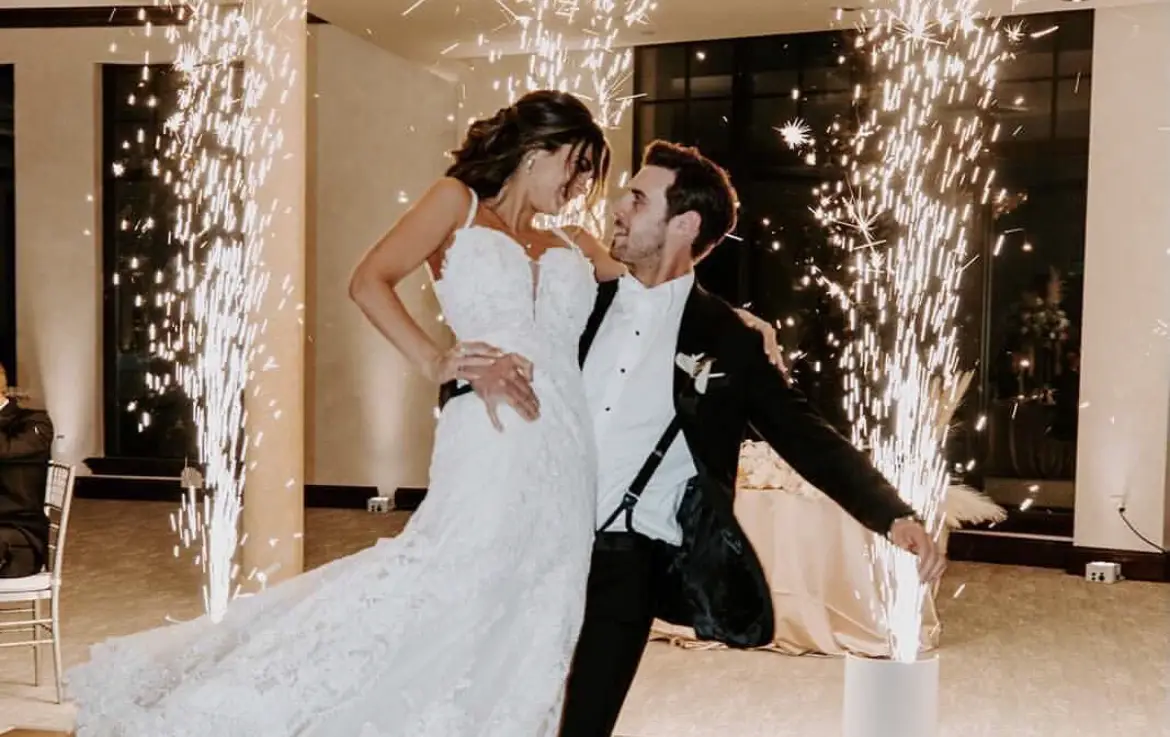
The wedding first dance marks the beginning of your reception celebration and sets the emotional tone for the evening. This tradition holds deep significance for many couples, representing their public debut as a married partnership. Knowing your options for song selection, dance styles, and choreography helps you create a first dance that feels authentic to your relationship while creating a memorable moment for you and your guests.
The First Dance Tradition
The wedding first dance typically happens soon after the newlyweds enter the reception venue. This timing allows guests to settle at their tables while focusing attention on the couple before other activities like toasts or dinner begin. Most first dances last between two and four minutes, though couples can adjust this timing based on their comfort level and the reception’s overall flow.
This tradition carries symbolic meaning beyond simply starting the dancing portion of your reception. The first dance is your first public moment together as a married couple. It demonstrates partnership, intimacy, and your comfort with each other in front of your family and friends. For many couples, this private moment made the public feel both exciting and slightly nerve-wracking.
Wedding first dances have evolved significantly over recent decades. Older traditions often involved formal ballroom dancing in styles like waltz or foxtrot. Today’s couples choose from a much wider range of options, from simple swaying to elaborate choreographed routines. Some couples even surprise guests with unexpected song choices or dance styles that defy conventional wedding expectations.
Not every couple includes a traditional first dance at their wedding. Some prefer to skip this spotlight moment and invite guests to join them on the dance floor immediately. Others modify the tradition by dancing together briefly before inviting the entire wedding party or all guests to join. Your wedding should reflect your preferences rather than obligatory traditions that don’t resonate with you.
Selecting Your First Dance Song
Song selection often feels like one of the most important decisions for your wedding first dance. The right song captures your relationship’s essence while providing appropriate music for dancing. Many couples spend considerable time choosing a track that feels meaningful without being overly sentimental or cliché.
Some couples choose songs with deep personal significance. Perhaps a particular track played during your first date, during a meaningful trip together, or at another significant moment in your relationship. These personal connections create more authentic experiences than selecting from generic lists of popular wedding songs. Your song choice tells your guests something about your story together.
Consider the song’s lyrics carefully. While a song might have a beautiful melody, lyrics that reference heartbreak, loss, or other negative themes may not suit a wedding celebration. Read through the complete lyrics rather than relying on your memory of the general tone. Some popular songs contain surprisingly dark or inappropriate verses that you might not have noticed during casual listening.
The song’s tempo affects which dance styles work well and how easy the dance will be to perform. Slower ballads accommodate simple slow dancing and require minimal training. Mid-tempo songs work for social dances like foxtrot or rumba. Faster, upbeat tracks need more choreography and practice but can create energetic, fun moments. Match your song choice to your dance ambitions and skill level.
Song length matters more than many couples realize. Most first dances feel right between two and a half and four minutes. Longer songs can start to feel awkward, especially if you have simple choreography that you repeat multiple times. Ask your DJ or band to fade out the song or cut it to an appropriate length. Many couples create edited versions that include their favorite parts of longer tracks.
Think about how your song choice fits with your overall wedding atmosphere. A contemporary pop song might feel out of place at a formal ballroom wedding, while classical music could seem stuffy at a casual backyard celebration. Your first dance song should complement rather than clash with your broader wedding style.
Exploring Dance Style Options
You have numerous options for your wedding first dance style, ranging from simple to elaborate. The right choice depends on your dancing experience, comfort with performing, and the amount of time you can dedicate to practice. Knowing different dance styles helps you make an informed decision about what feels right for you.
Simple slow dancing works for many couples. This approach involves gentle swaying with minimal footwork and no formal steps. Many couples choose this option because it feels natural and allows them to focus on the moment’s emotional significance rather than choreography. You can talk quietly to each other during the dance, share inside jokes, or simply enjoy being close while guests watch.
The waltz offers timeless elegance for wedding first dances. This classic ballroom dance features a distinctive three-beat rhythm that creates smooth, flowing movements. Basic waltz steps are accessible to beginners and look impressively polished with just a few lessons. The style suits traditional weddings and formal venues while remaining approachable for couples with limited dance experience.
Foxtrot provides another social dance option that works well for wedding first dances. This style involves smooth, walking-style movements that progress around the floor. The basic foxtrot is relatively easy to learn and works with a wide range of music. Many couples at Exton Dance Academy of Social Dance choose foxtrot because it looks more sophisticated than simple swaying while remaining manageable for beginners.
Rumba brings romantic intensity to wedding first dances. This Latin dance features slower, more sensual movements than many other dance styles. The rumba works well with slower ballads and creates an intimate atmosphere. However, it requires more practice than waltz or foxtrot to look smooth and controlled. Couples with some dancing experience often find rumba rewarding to learn.
Swing dancing creates upbeat, energetic first dances. This style suits faster-tempo songs and couples who enjoy lively movement. Swing can incorporate lifts, spins, and other dynamic elements that entertain guests. However, swing requires significant practice time and works best when both partners have some dance background or strong coordination. It may not fit the emotional tone couples want for their first married dance.
Some couples create mash-up dances that combine multiple styles. Perhaps you begin with a slow, romantic section before the music shifts to an upbeat track that allows for energetic choreography. These surprise elements can delight guests while showcasing your personalities. They require more planning and practice but create memorable moments.
Creating Choreography That Fits Your Vision
Choreography can range from completely spontaneous to fully planned and rehearsed. Most couples land somewhere in the middle, learning a basic framework with room for spontaneous moments. The right amount of choreography helps you feel confident without making the dance feel overly rehearsed or performative.
Many couples benefit from taking at least a few dance lessons before their wedding. Professional instructors can teach you basic steps for your chosen dance style and help you create a simple routine that matches your song. Even couples planning simple slow dances often appreciate learning proper dance frames and positioning. These fundamentals make any dance look and feel better.
When working with an instructor, communicate your goals clearly. Some couples want to learn enough to feel comfortable on the dance floor, while others aim for impressive routines that wow their guests. Your instructor needs to understand your ambitions, timeline, and comfort level to create appropriate choreography. Be honest about your abilities rather than pretending to have more experience than you actually possess.
Consider starting choreography lessons at least three months before your wedding. This timeline allows weekly lessons with practice between sessions. Cramming all your instruction into the final weeks often leads to stress and less retention. Spreading lessons over several months helps movements feel more natural by your wedding day. Danza Academy of Social Dance offers flexible scheduling that accommodates busy couples preparing for their weddings.
Your choreography should include clear opening and closing moments. How you walk onto the dance floor and position yourselves matters. Similarly, knowing how your dance will end prevents awkward uncertainty when the music stops. Plan these transitions as carefully as the dance itself to create a polished overall experience.
Featured moments within your choreography give photographers opportunities to capture dynamic images. A spin, a dip, or a lift creates visual interest and becomes the image you’ll likely see in your wedding album. Ensure any featured moments feel safe and comfortable for both partners. Practice dramatic moves carefully to avoid accidents.
Practice Strategies for Success
Effective practice turns choreography from memorized steps into natural-feeling movements. Start practicing at least six weeks before your wedding, though couples with more ambitious choreography should begin earlier. This timeline allows enough repetition for the dance to become second nature without starting so early that you forget everything.
Practice regularly rather than sporadically. Two to three practice sessions each week work better than cramming all your practice into one marathon session. Shorter, more frequent practices help your muscle memory develop and allow your brain to process the movements between sessions. Aim for 20 to 30 minutes per practice session for most couples.
Dance in the shoes you’ll wear on your wedding day. This is especially important for anyone wearing heels or dress shoes they don’t typically wear. Dancing in unfamiliar footwear affects balance, comfort, and confidence. Breaking in your shoes during practice prevents painful surprises on your wedding day.
Record your practice sessions and watch them together. Video reveals things you can’t see while dancing, like facial expressions, posture, and how movements flow together. Many couples find that small adjustments based on video review significantly improve how polished their dance appears. Share practice videos with your instructor if you have questions between lessons.
Practice at your actual reception venue if possible. Familiarity with the space, floor surface, and lighting reduces anxiety on your wedding day. If you can’t practice at the venue, at least visit and walk through where you’ll dance. Some floors are slippery while others provide more traction, affecting how confidently you can execute certain moves.
Managing Stress & Enjoying the Moment
Many couples feel nervous about their wedding first dance, especially if they have limited dancing experience or feel uncomfortable performing. These feelings are normal and manageable with the right perspective and preparation. The goal involves enjoying this moment together rather than delivering a flawless performance.
Remember that your guests are on your side. They’re watching with happiness and goodwill, not critical judgment. Most people feel moved by the emotional significance of the first dance rather than evaluating your technical skills. Small mistakes or missed steps rarely matter to observers who are caught up in the romance of the moment.
Focus on each other rather than the watching crowd. Making eye contact and staying connected to your partner helps you remain present instead of getting lost in performance anxiety. This is a moment for the two of you first and foremost. The watching guests are witnessing your private connection rather than expecting an entertainment spectacle.
If something goes wrong during your dance, smile and keep moving. How you handle mistakes matters more than the mistakes themselves. Laughing off a missed step or stumble often becomes a cherished memory rather than a disaster. Your genuine enjoyment of each other creates a more memorable moment than technical perfection.
Consider taking a few deep breaths together right before your first dance begins. This small ritual can help both of you feel more centered and ready. Some couples share a private word or inside joke right before stepping onto the floor, creating a moment of connection that settles their nerves.
Your wedding first dance is a meaningful beginning to your married life together. With thoughtful song selection, appropriate dance style choices, and adequate preparation, you’ll create a moment that honors your relationship while giving your guests a beautiful memory of your wedding celebration. The time you invest in planning and practicing pays off in reduced stress and increased enjoyment of this significant tradition.