Say Goodbye to Stains: Secrets to Sparkling Teeth
A bright, confident smile leaves a lasting impression, but discoloration from daily habits can make teeth lose their sparkle. If your smile isn’t as white as it used to be, don’t worry – brighter teeth are within reach! This guide explores stain causes, whitening solutions, and tips for maintaining a radiant smile through professional treatments, remedies, and lifestyle changes.
Understanding Tooth Stains
Before you can effectively treat tooth discoloration, it’s helpful to understand what causes it. Not all stains are the same, and they can be categorized into two main types: extrinsic and intrinsic.
Extrinsic vs. Intrinsic Stains
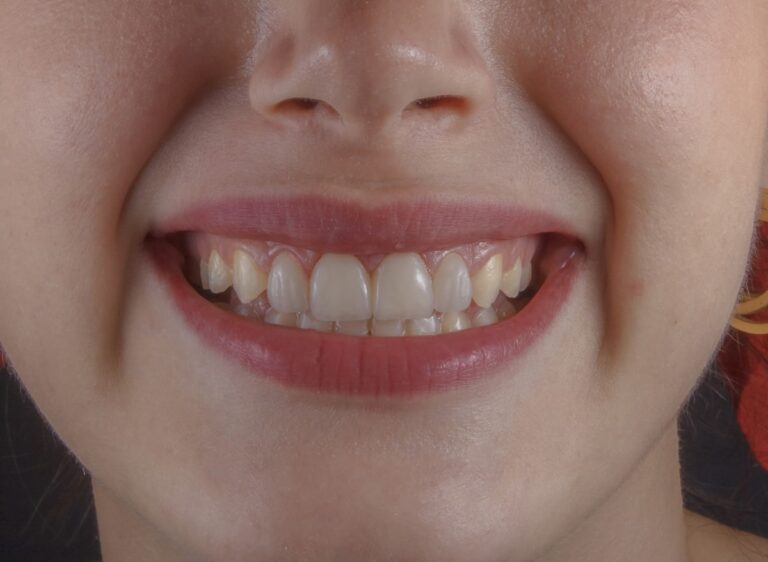
Extrinsic stains are the most common type of tooth discoloration. They affect the outer layer of the tooth, called the enamel. These stains are usually caused by pigments from food, drinks, and other lifestyle habits that accumulate on the tooth’s surface. Because they are on the surface, extrinsic stains are generally easier to remove with whitening toothpastes and professional cleanings.
Intrinsic stains, on the other hand, occur within the inner structure of the tooth, known as the dentin. These stains can be caused by trauma to the tooth, overexposure to fluoride during childhood, or the use of certain medications like tetracycline antibiotics. Since intrinsic stains are deeper within the tooth, they are more challenging to treat and often require more intensive whitening methods.
Common Causes of Tooth Stains
Many factors contribute to tooth discoloration. Here are some of the most common culprits:
- Foods and Drinks: Dark-colored foods and beverages are major contributors to extrinsic stains. Coffee, tea, red wine, berries, and dark sauces like soy or balsamic vinaigrette contain strong pigments called chromogens that stick to tooth enamel. Acidic foods and drinks can also erode enamel, making it easier for stains to set in.
- Tobacco Use: Smoking or chewing tobacco is a well-known cause of stubborn tooth stains. Tar and nicotine create deep yellow or brown discoloration that can be difficult to remove.
- Poor Oral Hygiene: Inconsistent brushing and flossing allow plaque—a sticky film of bacteria—to build up on your teeth. Plaque can harden into tartar and attract stains from the food and drink you consume.
- Aging: As we age, the outer layer of enamel on our teeth naturally thins, revealing more of the yellowish dentin underneath. This process can make teeth appear more yellow over time.
- Medications and Medical Conditions: Certain antihistamines, antipsychotics, and blood pressure medications can cause tooth discoloration. Additionally, medical treatments like chemotherapy and radiation to the head and neck can affect enamel and lead to stains.
Professional Whitening Options
For those seeking dramatic and fast results, professional teeth whitening procedures, such as those offered in Grand Junction, CO, are an excellent choice. These treatments are administered by a dentist and offer a safe and effective way to brighten your smile.
In-Office Treatments
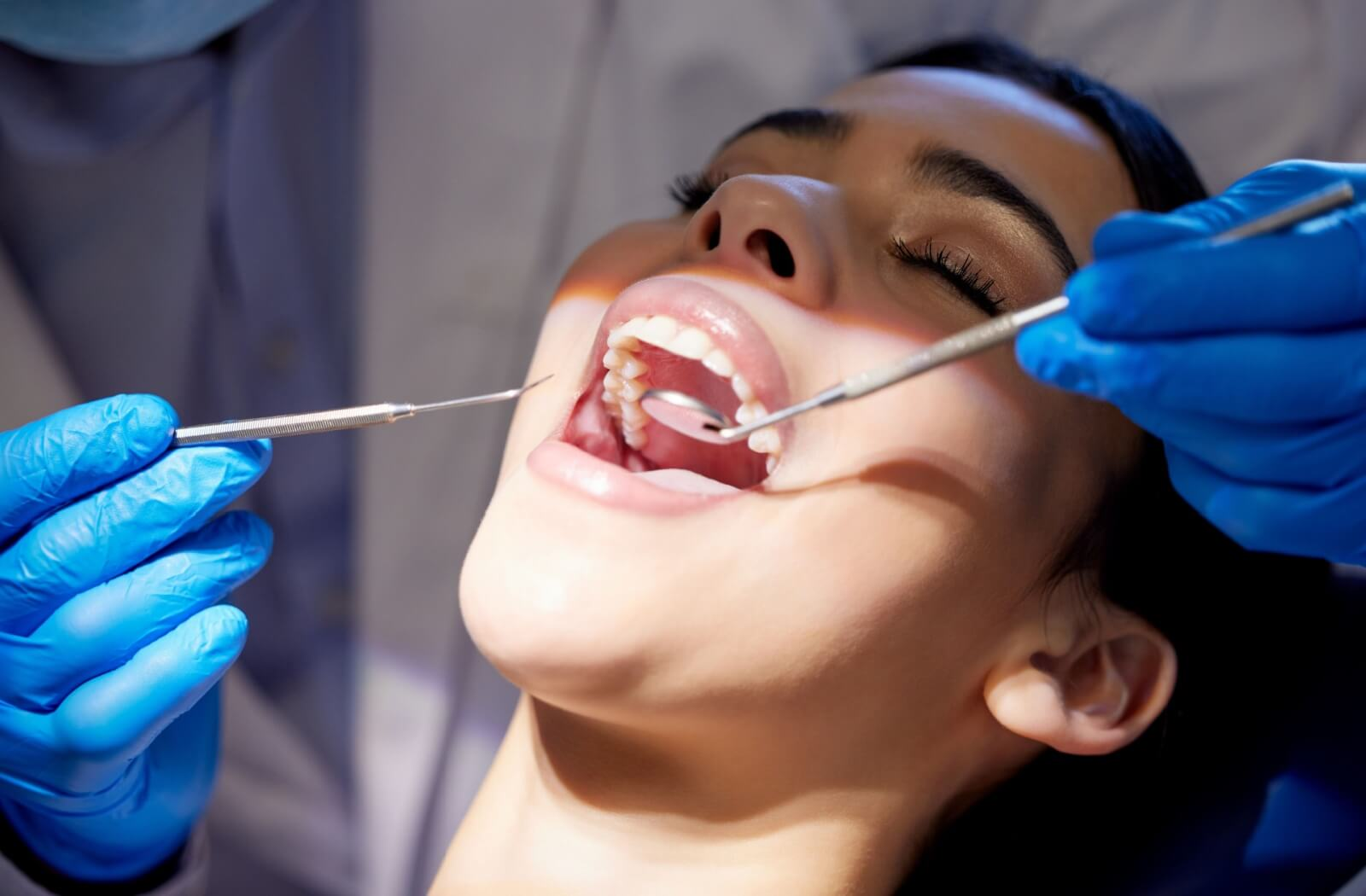
In-office whitening is the quickest way to achieve a noticeably whiter smile. During this procedure, a dentist applies a high-concentration whitening gel, typically containing hydrogen peroxide, to your teeth. A special light or laser may be used to activate the gel and speed up the whitening process. The entire treatment usually takes about an hour, and you can often see results immediately. Your dentist will take precautions to protect your gums and soft tissues from the powerful whitening agent.
At-Home Kits from Your Dentist
If you prefer to whiten your teeth in the comfort of your own home, your dentist can provide a custom at-home whitening kit. This involves creating custom-fitted trays that perfectly match your teeth. You’ll receive a professional-grade whitening gel that is less concentrated than what’s used in the office. You simply fill the trays with the gel and wear them for a specified period each day, usually for a couple of weeks. While the results take longer to appear compared to in-office treatments, these kits provide excellent, long-lasting results.
DIY Whitening Methods (Use with Caution)
Many people turn to do-it-yourself methods to whiten their teeth. While some of these can be effective, it’s crucial to use them with caution, as improper use can damage your enamel and gums. Always consult your dentist before trying any new whitening remedy.
Baking Soda and Hydrogen Peroxide
A paste made from baking soda and a low-concentration hydrogen peroxide is a popular home remedy. Baking soda is mildly abrasive and can help scrub away surface stains. Hydrogen peroxide is a bleaching agent that can lighten the color of your teeth. To use this method, mix a small amount of baking soda with enough hydrogen peroxide to form a paste. Gently brush your teeth with it for about a minute, then rinse thoroughly. It’s important not to use this method too often, as it can be abrasive to your enamel.
Activated Charcoal
Activated charcoal has gained popularity as a natural teeth whitener. The idea is that its porous nature absorbs plaque and other compounds that stain teeth. However, scientific evidence supporting its effectiveness and safety is limited. Like baking soda, charcoal is abrasive and could wear down your enamel with frequent use, leading to increased sensitivity and a higher risk of cavities. If you choose to try it, use it sparingly and with a soft-bristled toothbrush.
Lifestyle Changes to Prevent Stains
Whitening your teeth is one thing, but keeping them white is another. Preventing new stains from forming is key to maintaining a bright smile.
Dietary Adjustments
What you eat and drink plays a significant role in the color of your teeth. To prevent stains, try to limit your consumption of coffee, tea, red wine, and other dark-colored foods and beverages. When you do indulge, consider using a straw to minimize contact with your teeth. Rinsing your mouth with water after consuming staining foods can also help wash away pigments before they have a chance to set.
Oral Hygiene Practices
A consistent oral hygiene routine is your best defense against stains.
- Brush Twice a Day: Brush your teeth for at least two minutes, twice daily. Using a whitening toothpaste can also help remove surface stains.
- Floss Daily: Flossing removes plaque and food particles from between your teeth and along the gumline, areas your toothbrush can’t reach.
- Use Mouthwash: An antiseptic mouthwash can help reduce plaque and kill bacteria that contribute to discoloration.
When to See a Dentist
While there are many ways to work toward a whiter smile on your own, professional guidance is invaluable. Regular dental check-ups and cleanings are essential for removing tartar and surface stains that you can’t tackle at home.
If you’re considering any whitening treatment, it’s always best to consult your dentist first. They can assess the health of your teeth and gums, determine the cause of your discoloration, and recommend the safest and most effective whitening option for you. This is especially important if you have sensitive teeth, dental restorations like crowns or fillings, or intrinsic stains.
Conclusion
Achieving a bright, healthy smile is easy with good oral hygiene and smart lifestyle choices to prevent stains. For existing discoloration, professional and at-home options can help restore your teeth’s natural brilliance. Ready for a confident smile? Talk to your dentist for personalized advice on safe and effective whitening options tailored to your needs.